

If you're new here, you may want to subscribe to my RSS feed. Thanks for visiting!
Composting is a great way to reduce waste by re-using expired bio-degradable materials to produce nutrient rich soil. Composting is the corner-stone to organic gardening as there are no chemicals added to the organic matter. A cared for compost can help you reduce the amount of enriched soil you purchase for your lawn and garden The finished product is rich, dark, crumbly and sweet-smelling. Compost is made of recycled garden and kitchen waste. Around 25-40 percent of the average kitchen garbage contents are suitable for home composting so it helps cut down on the amount of garbage you send to the landfill. By composting, a family of four can divert over 500 pounds of kitchen scraps and yard waste a year from waste collection. Why spend $2-$10 buying soil when you can make your own organic soil?
Composting is easy. The following details how to go about doing it yourself.
The Earth Machine
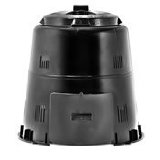 You will need a composting “bin”. You can build one yourself or purchase a composting bin designed specifically to properly ventilate and keep pests out of your valuable soil-to-be. We use the Earth Machine also known as the Darth Vader Helmet. We bought our bin from the City for about $35. It is conical in shape, has a twist locking pest resistant lid, has side ventilation, can be secured to the ground and has a locking harvest door where you will dig out your enriched soil. You will need to assemble and install your bin.
Locating and Installing Your Compost
One important thing to mention is that you should install your bin somewhere convenient! If you can’t get at the bin, as can be the case in cold Canadian winters, you will be less inclined to compost from your kitchen. Another tip is to remove the sod beneath the bin to invite worms and microbes in and improve the drainage. Also try to make sure your compost gets lots of exposure to sunlight. This will raise the temperature in the unit and the breakdown process will speed up.
Compost In Your Kitchen
You will need a pail with a lid with a tight seal. A 2 gallon (8 litres) container is preferable. You don’t necessarily need to buy a pail if you have an adequate spare around the house. The key is to have a secure lid to make sure you don’t become infested with fruit flies. The pail also has to have a large enough opening to get the kitchen scraps into it. A handy tip to keep material from sticking to the sides of the pail is to line it with paper towel or newspaper. The contents will slide right out of the pail when you are ready to empty it into the composter. We prefer to use bleach free paper towel so as to keep our compost chemical free.
What Can you Compost?
Kitchen Greens: fruit scraps, vegetable scraps, house plant cuttings, egg shells, tea bags, coffee grinds (and filters if you use bleach free filters), rice and pasta
Kitchen Browns: stale bread, paper napkins/towels (again, remember the bleach), dryer lint, hair, nail clippings. We have a number of pets so we accumulate a lot of hair!
Yard Greens: plant trimmings, flowers, small amounts of grass, vegetable
Yard Browns: leaves, small twigs, wood chips, straw or hay, dried grass or weeds
Don’t Compost: diseased plants, meat, fish or bones, weeds that have seeds, dairy products, sauces, ashes, oils or fats, pet waste, non-bio degradable items. Why exclude these items? They attract pests and/or simply don’t break down into soil.
Tips on How to Compost
First of all, composting happens on its own so it is very easy. There are a few things you can do to speed the process up however.
- Chop up large items. Large items take longer to break down.
- Lots of rain lately? Worms all over the sidewalk or your driveway? Scoop them up and throw them into the compost. They will have a safe haven from predators, have a plentiful supply of food and will help your compost break down more quickly. Plus, these composting wizards won’t get stepped on or run over.
- Remember to empty your kitchen pail into your compost when it gets full. You will be more inclined to use the pail if it has space in it. Sounds silly to mention it, but when you need to dispose of waste you need the space!
- Stir up your new compost every few pail dumps with a pitch fork or shovel. By doing so you add oxygen to the pill which is a key component to successful composting.
- Cover up the pile with handfuls of old leaves. This adds carbon and reduces odour and fruit flies. Replace the lid and let it “cook”.
- In the Spring, stir the compost well and add some soil to help kick start your composter. Use “finished” compost by digging it out of the bottom of the pile and add this enriched soil to your gardens.
- In the Summer stir the pile often and remember to cover it with old leaves. If the pile looks dry, add some water.
- In the Fall you will have some great soil after the compost cooked all summer. Dig out more of the finished pile and add it to your garden. If you can, try to save some leaves that fall from the trees so you have ample supply to add to the pile throughout the winter and spring.
- During the Winter your compost will decompose much slower. Stay the course - keep adding to the pile with new material and leaves. Spring will quickly turn the matter into soil.
Using Compost
Compost is plant matter that has been decomposed and recycled as a fertilizer and is a nutrient rich soil amendment created by the natural decomposition of waste by worms, microbes and other organisms. When you mix it into your soil it revitalizes the soil making it healthier, more conducive to to growing things and increases moisture retention. You can use compost in your garden by working it into the soil, on your lawn to improve and build soil structure and around trees/shrubs to enhance the nutrients these plants absorb.
Composting makes a lot of sense from a sustainability perspective. You reduce your household waste significantly. When we moved into our new house this fall and did not have a compost we were putting out twice as much garbage than we had at our last house which had a composter we sadly had to leave at that location. Your plants, trees, shrubs, lawn and gardens will be much more productive and healthier. If you grow vegetables you can rest easy knowing you are not adding chemicals to your food and the yield of the plants will increase. Lastly, you will save money as you will hopefully not need to buy any soil from a store. The “good” soil from stores can cost $10 a bag and most homeowners require many of these bags annually. If you can save yourself $100 by composting instead of purchasing soil, the practice of composting will help you reach your goal of sustainable personal finance.


Recent Comments