Guest Post Author Bio: Miss T blogs at Prairie EcoThrifter. She grew up in the Canadian prairies and still lives there today. She is passionate about saving money, being healthy, looking out for our environment, and most of all having fun. Her blog shares tips on how you too can live a green, debt free, and fun life.
The new millennium is a time for change. A time for us to take a stand and take control of our future. One of the ways that we can take a stand is to look at our environmental impact and how we obtain and use energy. For years, people have used the power of burning fossil fuels, such as coal to create energy. In more recent times, there has been a shift to using renewable resources to create the power we need. These resources include hydroelectric power, solar power, wind power, biomass energy, and geothermal energy. Today I would like to talk to you about geothermal energy and it’s benefits.
What is Geothermal Energy?
Geothermal energy comes from two Greek words, ‘geo’ and ‘therme’. These words translate into ‘earth’ and ‘heat’ which pretty much defines what geothermal energy is. Geothermal energy is energy that is produced from the heat of the Earth. The Earth’s core, where numerous chemical reactions take place, creates a tremendous about of heat. In this core, using this heat is where energy can be produced.
Since it would be unsafe to tap right into the Earth’s core, systems have been created that have the ability to harness the residual heat that is produced. This heat is able to be used by tapping into water reservoirs beneath the Earth’s surface. These water stores can reach up to 700 degrees Fahrenheit which is why they are so effective at produce energy.
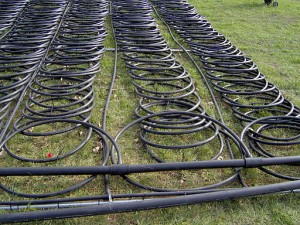 In order to tap into these water stores, a well is drilled down into the ‘geothermal reservoir’. The heated water and steam rise to the surface and is used to power geothermal power plants as well as in a smaller scale for personal household use. In the geothermal plants, the steam from the heated underground water is often used to power turbines, which then create energy which can be used as electricity. In a personal household, the system works on a heat exchange using loops that are installed beneath the ground. There are vertical loop systems and horizontal loop systems.
There are many distributors around the country where you can purchase a heat pump for your home. Thanks to vertical loop system technology, a heat pump can be installed in residential areas where lots are not that large. Heat pumps may cost a bit more upfront than the traditional furnace but their life span averages 22 years and they are more efficient at heating than gas. If you live in the USA, you can get a tax rebate on the installation of a heat pump up until the year 2016…plenty of time to save up for one.
Why Should You Use Geothermal Energy?
According to the U.S. Environmental Protection Agency (EPA) ground source heat pumps are the most energy-efficient, environmentally clean, and cost-effective space conditioning systems available. Heat pumps offer significant emission reductions potential, particularly where they are used for both heating and cooling and where the electricity is produced from renewable resources.
Ground source heat pumps are recognized as one of the most efficient heating and cooling systems on the market. They are often the second-most cost effective solution in extreme climates, (after co-generation), despite reductions in thermal efficiency due to ground temperature. (The ground source is warmer in climates that need strong air conditioning, and cooler in climates that need strong heating.)
Heat pumps are the way of the future. They recycle solar energy that is trapped in the ground to heat and cool our homes. How much better can it get?
If you are looking for ways to reduce your carbon footprint and save money, then geothermal energy is something you should consider.
Author Bio: Miss T blogs at Prairie EcoThrifter. She grew up in the Canadian prairies and still lives there today. She is passionate about saving money, being healthy, looking out for our environment, and most of all having fun. Her blog shares tips on how you too can live a green, debt free, and fun life.




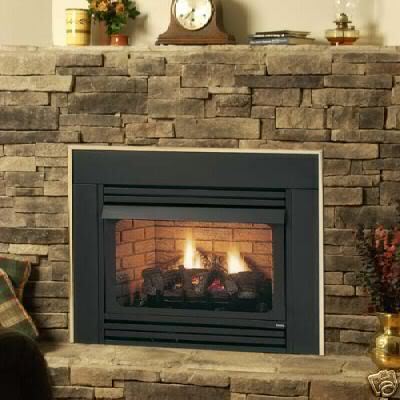 This is a tip I learned from my Mom. My Mom keeps the temperature of her house pretty low by most peoples standards. You may wonder how she can be comfortable during the winter. By using the gas fireplace in her living room my Mom heats the space she is using instead of keeping her whole house heated to a certain level. This way the fuel being burned is from the fireplace not the furnace Mom isn’t spending money heating rooms not in use such as the entire basement and the spare bedrooms.


Recent Comments